Your Car Is Your Most Important Emergency System

Dean Olson
March 26, 2026
Your Car Is Your Most Important Emergency System
Years ago, I got a car that was new to me.
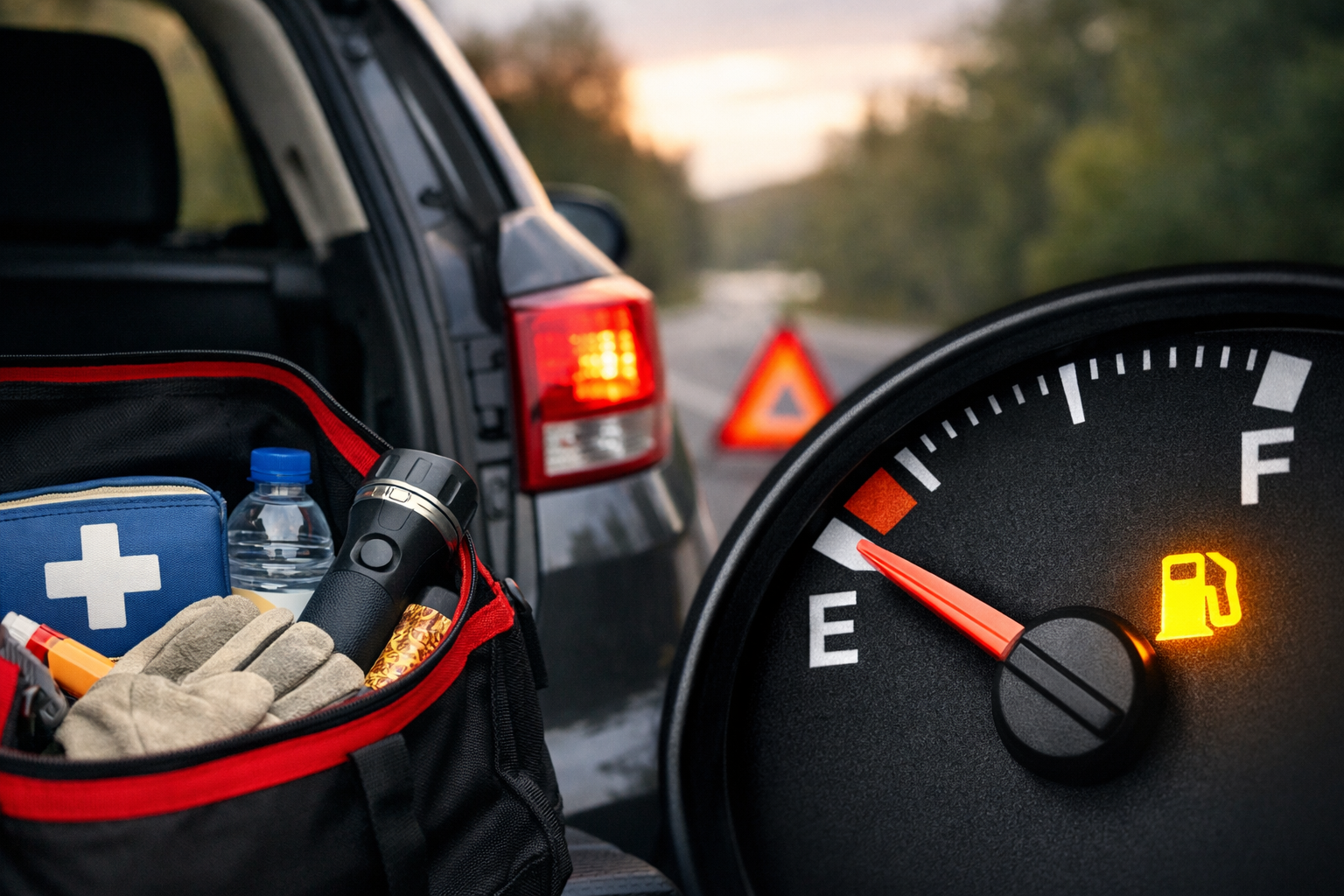
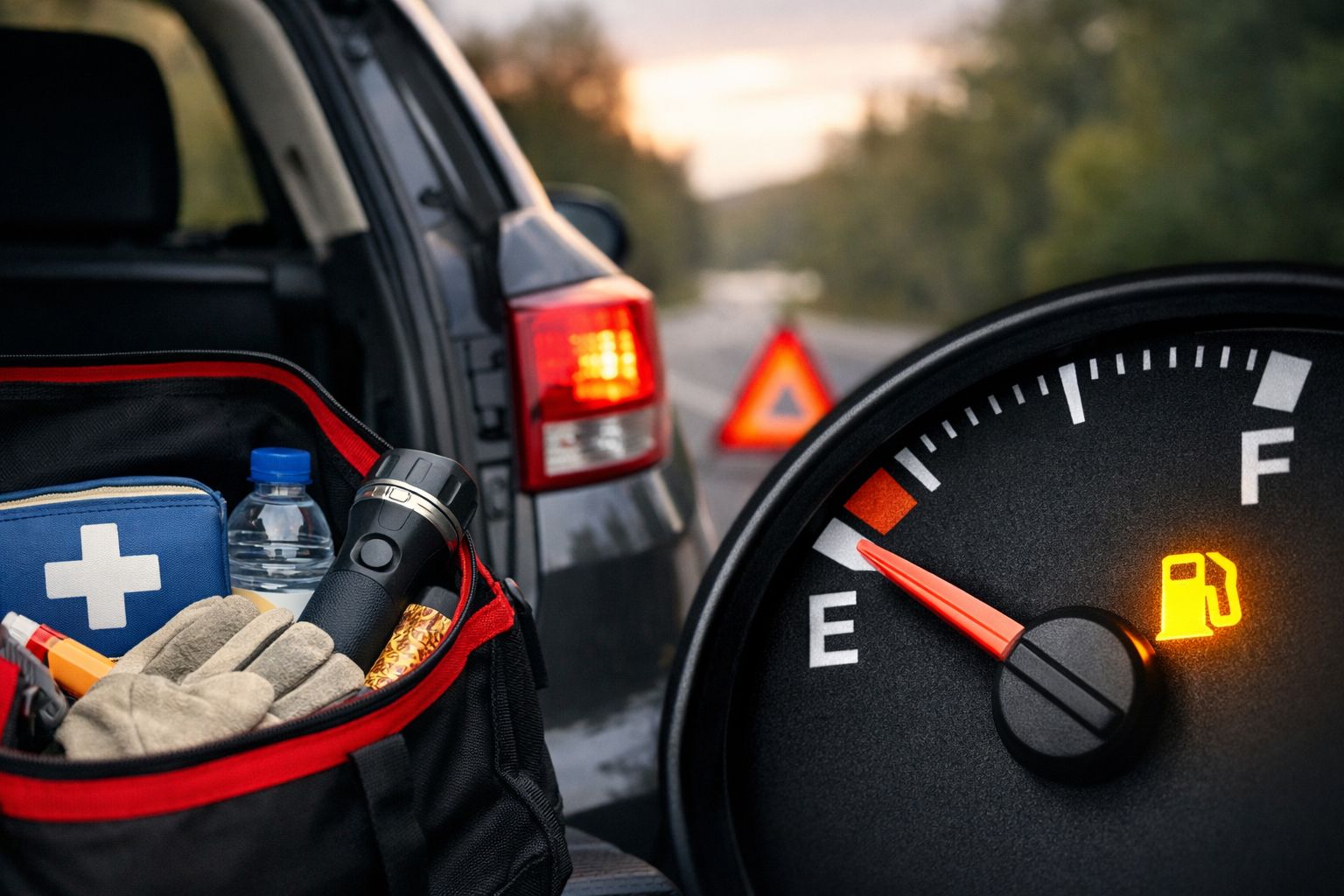
It had a "Distance to Empty" feature, and I turned it into a personal challenge.
More than once, I pulled into a gas station with it reading 0 miles remaining. One time on the interstate, I was running low again—down to maybe 10 miles left.
Then I had a thought: What if traffic stops right now?
Construction. Accident. Anything.
If I had to sit there idling, I couldn't run the heat or AC for long. I might actually run out of fuel just waiting.
That's when the quarter-tank rule became non-negotiable. Not out of fear. Just because I realized I was cutting margin for no reason.
What surprised me wasn't the safety aspect. It was the peace of mind. Less mental clutter. No last-minute gas stops. No wondering if I had enough to get somewhere. Just getting in the car and knowing it was ready.
Most preparedness conversations focus on what's at home.
Food storage. Water supplies. Emergency kits in the basement.
All important.
But here's what we miss: In most real emergencies, the first question isn't "Do we have supplies at home?"
It's "Can we leave right now if we need to?"
Your car isn't just transportation. In a disruption, it's your ability to move, evacuate, adjust, and respond. And most of us haven't prepared it for that role.
The Real Problem
We maintain our homes for emergencies better than we maintain our vehicles.
We stock pantries. We organize documents. We check smoke detectors.
But we let the gas tank run low, skip oil changes, and keep nothing useful in the car except old coffee cups and fast food napkins.
In a real emergency—evacuation, storm, medical crisis—your car becomes more critical than your basement supplies. If it's not ready, your options shrink immediately.
1. The Quarter-Tank Rule
The simplest vehicle prep isn't gear. It's a habit.
Never let your tank drop below a quarter full.
Why This Matters
Evacuations create instant fuel shortages as everyone fills up simultaneously
Gas stations lose power during outages and can't pump fuel
Traffic delays during emergencies can leave you idling for hours
A quarter tank gives you 100+ miles of range in most vehicles
Running on empty damages fuel pumps and filters over time
The mental margin matters—you're never wondering if you have enough
Practical Action
Set a personal rule: refuel at half tank or quarter tank, never lower
Treat it like checking your phone battery before leaving the house
If you're naturally forgetful, set a recurring phone reminder to check fuel weekly
Keep a small amount of emergency cash in the car for fuel if card systems are down
This one habit removes more emergency friction than most gear purchases ever will.
2. What Actually Belongs in Your Car
Most vehicle "emergency kits" are either missing or useless.
We buy elaborate kits that sit in the trunk for years, or we keep nothing at all.
The gap you're actually preparing for isn't wilderness survival. It's the in-between: stuck in traffic, delayed somewhere, or dealing with an unexpected breakdown.
Why This Matters
A short delay can turn into hours without warning
Kids, weather, and hunger amplify pressure quickly
Small needs (thirst, cold, phone dying) become urgent when you can't move
You may need to help someone else who's unprepared
Basic supplies keep stress manageable during the wait
What to Keep in Your Car (Permanently)
Core supplies:
Water (2-3 bottles per person—rotate quarterly)
Non-perishable snacks (protein bars, nuts, crackers—check expiration dates)
Phone charger (car adapter + cable for your phone type)
Flashlight with extra batteries
Basic first aid kit (band-aids, pain relievers, antibiotic ointment)
Blanket or warm layer (even in summer—nights get cold)
Paper map of your region (yes, actually paper)
Convenience store supplies aren't convenient when you're out of gas three miles from the nearest one. Stock your car now, when it's easy.
Store these in a simple bag or plastic bin in your trunk. Check it twice a year when you change seasonal clothes.
3. Seasonal Adjustments
Your car's needs change with the weather. Most of us don't adjust.
Why This Matters
Cold temperatures drain batteries faster and reduce fuel efficiency
Heat damages stored food and water supplies
Conditions change what "comfortable" and "safe" mean for waiting
Seasonal hazards (ice, heat exhaustion) require different preparation
Practical Action
Adjust twice a year—once before winter, once before summer:
Winter additions (October/November):
Heavy blanket or sleeping bag
Winter hat and gloves for each family member
Ice scraper and snow brush
Small folding shovel
Bag of sand or cat litter (for traction if stuck)
Extra washer fluid (cold-weather formula)
Summer adjustments (April/May):
Replace any food that can't handle heat
Refresh water supply (old bottles degrade)
Add sunscreen
Verify nothing heat-sensitive is stored in direct sun
Check that spare tire is properly inflated
You don't need more stuff. You need alignment with reality.
4. Basic Vehicle Readiness
The supplies in your car don't matter if the car doesn't start or breaks down.
Why This Matters
Dead batteries strand more people than running out of gas
Low tire pressure reduces fuel efficiency and increases blowout risk
Ignored maintenance warnings turn into breakdowns at the worst times
Small issues compound under emergency conditions
Practical Action
Monthly quick check (5 minutes):
Glance at tire pressure (most cars show this on dashboard)
Confirm windshield washer fluid isn't empty
Make sure no warning lights are on
Verify your car kit is still in the trunk
Quarterly maintenance:
Check tire tread depth (penny test: insert penny upside down in tread—if you see Lincoln's full head, tires are too worn)
Verify oil change is current
Test that spare tire is inflated and accessible
Replace windshield wipers if they streak
Keep these items in your car:
Jumper cables or portable jump starter
Basic tool kit (screwdrivers, pliers, adjustable wrench)
Duct tape and zip ties
Shop towels or rags
Work gloves
WHAT TO BUY:
Looking for: jumper cables heavy duty 20 feet
Shop on Amazon →
Looking for: portable jump starter lithium battery pack
Shop on Amazon →
Looking for: car emergency tool kit basic
Shop on Amazon →
These aren't survival tools. They're "my car needs help and I'm fixing it myself" tools.
How to Set This Up (Without Overthinking It)
The biggest barrier isn't cost or complexity. It's decision paralysis.
So here's the simple version:
This week: Add water, snacks, phone charger, and blanket to your car. Done.
Next week: Add flashlight, first aid kit, and check your fuel habit. Refuel at quarter tank from now on.
Week three: Add jumper cables or jump starter. Check tire pressure. You're now more prepared than 90% of households.
That's it. The entire system takes less than $100 and three weeks of small actions.
We overthink this. A stocked car and a quarter-tank habit beat an elaborate plan you never implement.
The Real Shift
The mistake isn't ignoring our cars. It's not seeing them as part of preparedness.
We treat home prep and vehicle prep as separate categories. They're not.
Your car is the bridge between "we're fine at home" and "we need to be somewhere else."
If it's not ready, the gap between those two states becomes a crisis.
Instead of asking: "What do we have at home?"
Ask: "Could we leave right now without friction?"
That's the better question.
Get Your Personalized Next Steps
Vehicle readiness is universal. Every household needs it.
But your next priorities after this depend on your specific situation—your location, your family composition, your medical needs, your constraints.
The PrepareRight assessment identifies your top 10 priorities, ranked specifically for your household.
It takes 3 minutes and tells you what matters most for your circumstances.
Start with your car. Then build from there.
Prepare one right step at a time.
Want to Know Your Top 3 Priorities?
Every household is different. Your location, family size, medical needs, and current preparedness level all affect what you should focus on next.
I built a free assessment that asks about your specific situation and gives you your personalized top 3 priorities—not a generic list, but recommendations tailored to your household.
Prepare one right step at a time.