Hurricanes Don't Break Households. The Week After Does.
Five practical hurricane preparation steps every household should handle before the season begins — evacuation triggers, alerts, power loss, supplies, home prep.

Dean Olson
May 14, 2026

The wind isn't the part that breaks households.
When I lived in Florida, I thought hurricanes were giant tornadoes — intense, destructive, narrow. Then I lived through a few. The thing that surprised me wasn't the storm itself. It was the size of everything around it. Outer bands stretched across whole states. Forecasts covered enormous portions of the map. People hundreds of miles from landfall were still dealing with flooding, fuel shortages, power outages, and disruption that lasted for days.
We never took a direct hit, but we lost power for a week once. We had a generator. We shared it with a neighbor to keep the basics running for both households. That week taught me something I didn't expect: most of what makes hurricanes hard isn't the storm. It's the version of normal life that stops working around it.
The wind is the dramatic part. The disruption is the part most families actually have to navigate.
The Real Problem
Hurricanes create a false sense of flexibility.
There's always another forecast update. Always another supply run possible. Always another day before landfall. Until suddenly there isn't — shelves empty, fuel lines form, evacuation routes clog, and the power goes out. Atlantic hurricane season runs June 1 through November, with activity peaking August through October. Once storms are already on the map, preparation gets harder, more expensive, and more stressful. Hurricanes punish delayed decisions.
The households who handle storms well aren't the ones with more supplies. They're the ones who made decisions earlier.
What Households in Hurricane-Prone Regions Should Actually Prepare For
Not just the storm. The week of disrupted life around it — power outages, supply interruptions, flooding, communication problems, possible evacuation. And that preparation needs to happen before hurricane season starts, not when a storm is already approaching.
Here are five things to handle now:
1. Decide What Would Make You Leave
The hardest part of a hurricane isn't always the storm. It's the uncertainty. Is it serious enough to evacuate? Are we overreacting? Should we wait one more update? Hesitation costs time — and during evacuations, time becomes the most expensive thing your household owns.
Why This Matters
Stress narrows decision-making bandwidth dramatically
Disagreement between household members slows action further
Once roads clog, options shrink fast
Pre-decided thresholds remove the emotional debate
What to Do
Set your evacuation triggers before the season starts. Pick the ones that fit your household:
A mandatory evacuation order for your area
Flooding risk based on your specific street, not just your county
Medical needs that require uninterrupted power
Inability to shelter safely at home (structural concerns, mobility issues, vulnerable family members)
The goal isn't to predict perfectly. It's to avoid making emotional decisions under pressure.
2. Set Up Reliable Information Sources
Good decisions need reliable information. Most families default to social media posts and fragmented updates from friends — which works fine right up until it doesn't. During an emergency, that's exactly when misinformation spreads fastest.
Why This Matters
Official forecasts are more accurate than amplified social posts
The National Hurricane Center "cone of uncertainty" shows the probable storm track center — not the size of the storm itself
Hurricanes routinely impact areas far outside the cone through rain bands, tornadoes, and extended outages
Constant monitoring during a storm is exhausting; the right sources reduce that load
What to Do
Before hurricane season:
Sign up for local emergency alerts through your county or state system
Follow your local emergency management agency on whichever platform you already use
Install the FEMA app and a reliable weather app
Bookmark NOAA and the National Hurricane Center
WHAT TO BUY: Looking for: NOAA weather radio with battery backup- Shop on Amazon →
A weather radio matters specifically because cell networks get overloaded during storms, and the NOAA broadcasts keep working when phone alerts don't.
3. Prepare for Losing Power, Not Just for the Storm
For most families, the hardest part of a hurricane begins after it passes. The week we lost power, the issue wasn't fear. It was interruption. Refrigeration. Charging phones. Preserving food. Keeping the household functioning while normal systems weren't. Daily life suddenly required work.
Why This Matters
Power outages after major storms routinely last days, sometimes more than a week
Food spoilage starts within 4 hours of an outage
Phone batteries die fastest when service is spotty and the phone is searching for signal
Generators help, but they don't restore normal life — they preserve essentials
What to Do
Cover the basics before any storm forms:
Flashlights that actually work (test them — batteries die in drawers)
Battery backups for phones, charged and ready
Simple food that doesn't require cooking
Water stored ahead of time
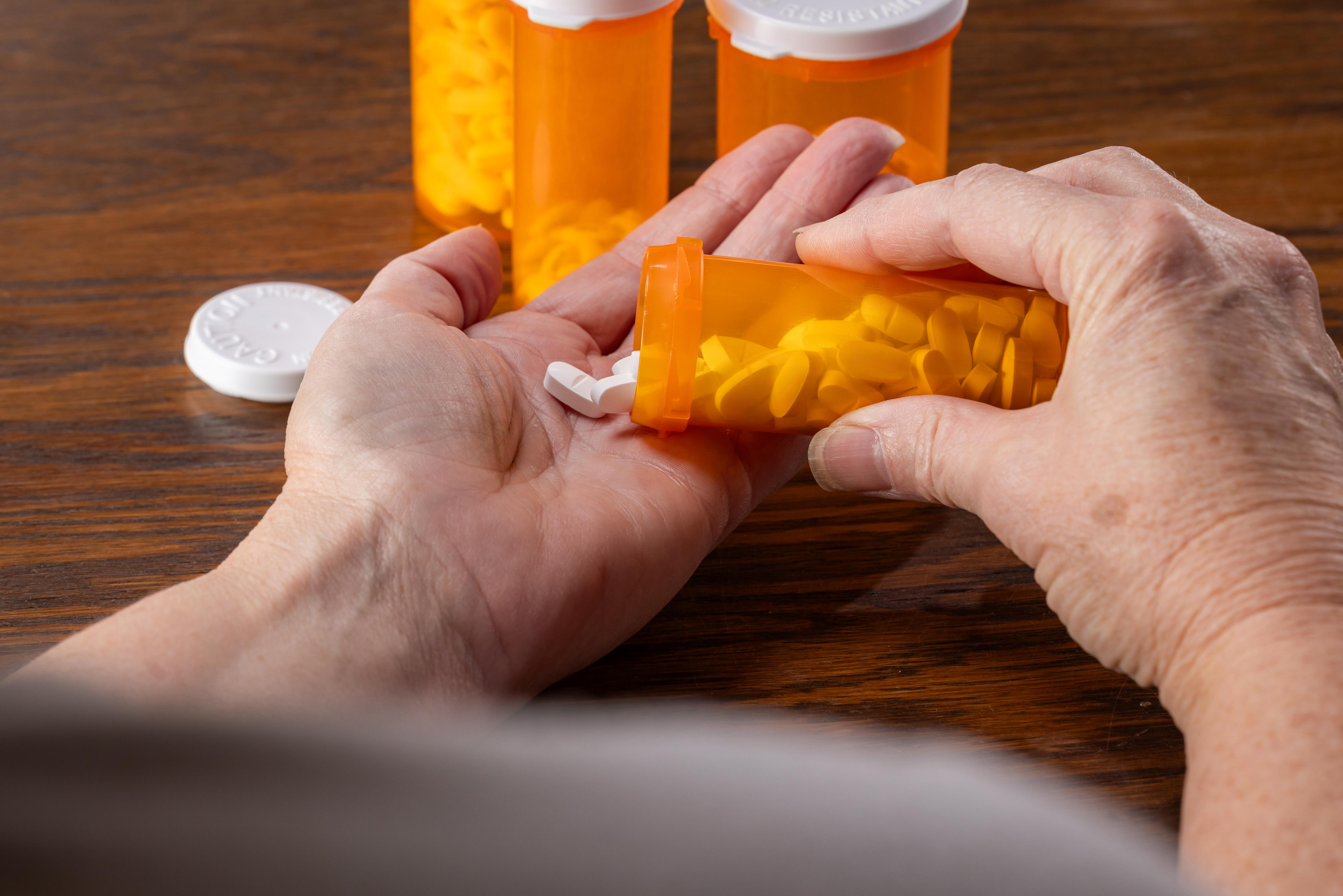
Medications refilled early when possible
WHAT TO BUY: Looking for: high-capacity portable battery pack- Shop on Amazon →
If you grill or cook outdoors, keep propane tanks full before hurricane season — and consider having one backup tank already filled. Propane shortages happen fast, and refill stations often close after a storm.
If you use a generator, test it before the season, store fuel safely, and know what it realistically powers. A generator that hasn't run in eight months is not a generator you can count on.
4. Stock Up Before Stores Get Crowded
One of the most predictable patterns in hurricanes is the last-minute rush. Even with days of warning, most families wait. And then suddenly bottled water disappears, batteries vanish, fuel becomes difficult, and the checkout lines stretch across the parking lot. It happens every storm because most people prepare emotionally — when the threat feels real — instead of seasonally.
Why This Matters
The same supplies are cheaper, calmer, and more available a month before a storm than 48 hours before one
Pharmacy stock gets pressured when evacuation routes activate
Cash matters when power outages take down card readers and ATMs
Vehicle fuel is one of the first things to become hard to find
What to Do
Before the season:
Refill prescriptions early when your insurance allows
Keep some emergency cash accessible
Maintain pantry basics you actually eat (rotation prevents waste)
Keep vehicle fuel reasonably topped off — quarter-tank-minimum is a good ongoing rule
Have spare phone chargers and batteries already in the house
The goal isn't stockpiling. It's not depending on a crowded store during the highest-stress window of the year.
5. Secure Your Home Before the Watch Is Issued
Once a hurricane watch is issued, everything compresses. Tasks that would take an afternoon when calm become urgent and stressful when the clock is moving. In Florida, plenty of people kept plywood pre-cut and labeled in garages — not because they were extreme, but because they'd learned that preparation done early becomes much easier later.
Why This Matters
Pre-cut window protection takes minutes to install vs. hours to source and cut under pressure
Cleaning gutters during a watch window is miserable
Outdoor furniture left out becomes flying debris
Flood-prone areas around your property are obvious in calm weather and invisible during a storm
What to Do
Before the season:
Clean gutters and drains
Trim weak or overhanging branches
Plan how outdoor furniture will be secured or stored
Identify flood-prone areas around your property
Know how you would protect windows if needed (plywood pre-cut, hurricane shutters tested, or storm panels staged)
Waiting until a storm is approaching makes every one of those things harder, costlier, and more stressful.
How to Do This Before Hurricane Season
You don't need a weekend project. You need a few focused sessions, spread across May.
This week: Review your evacuation threshold with your household. Refill key medications. Test flashlights.
Next week: Check food and water basics. Sort backup charging options. Clean outdoor drainage.
Before June 1: Walk the property. Trim what needs trimming. Stage window protection if your home needs it.
That's enough to move from "hopefully fine" to "actually ready." Most of the friction we feel during a storm isn't from the storm itself. It's from doing in 48 hours what could have been done in 30 days.
The Real Shift
Most households ask: "How bad will the hurricane be?"
The better question is: "What happens if normal life stops working for a week?"
That's the framing that gets your household actually prepared — because the answer to that question doesn't depend on the forecast. It depends on what you handled in May.
Get Your Personalized Priorities
Hurricane preparation looks different for every household. Coastal versus inland. Apartment versus home. Medical needs versus healthy household. Evacuation-prone versus shelter-in-place capable. Even households on the same street in Pensacola face different risks than the family two miles inland. (And as we saw in Pennsylvania one year, "inland" doesn't mean "untouched" — hurricane rain systems flood communities hundreds of miles from the coast.)
Generic checklists fail because they treat everyone the same.
The PrepareRight assessment identifies your top 10 priorities based on your actual situation — location, household members, medical needs, and the risks that apply to you specifically.
It takes about 5 minutes.
Take the free assessment at PrepareRight.co
Prepare before the season starts.
Prepare one right step at a time.
This article contains Amazon affiliate links. If you buy something through them, PrepareRight may earn a small commission at no extra cost to you. We only recommend products we'd actually use.
Prepare one right step at a time.
Want to Know Your Top 3 Priorities?
Every household is different. Your location, family size, medical needs, and current preparedness level all affect what you should focus on next.
I built a free assessment that asks about your specific situation and gives you your personalized top 3 priorities—not a generic list, but recommendations tailored to your household.
Prepare one right step at a time.